|
|

Anticariat Librarie - Mii de carti vechi si noi din cele mai diverse categorii
|
|
|
Anticariat Librarie => Lista carti => Cautare: Dem
|
|
Virtuti stramosesti - Petru Demetru Popescu Anticariat carti copii, elevi, scolari, aventura, povesti, basme
Format: 24/16,5 cm-
NU ESTE PE STOC, INSA O CAUT LA COMANDA - pentru detalii va rog puneti cartea in cos. Scrieti la observatii ceva de genul: stiu ca nu e pe stoc dar doresc sa o cautati pentru mine si finalizati comanda. FOARTE EFICIENT ESTE DACA SUNATI LA TELEFON – clik pe butonul Contact si gasiti nr de telefon.
va voi trimite un mesaj cu un fisier atasat cu conditiile pentru a cauta aceasta carte sau mai multe altele care poate nici nu sunt postate pe site si le doriti !
ilustratii de Vasile Socoliuc
|

|
Preţ: Negociabil în funcţie de câte (şi ce) titluri cereţi.
Dacă sunaţi e foarte posibil să vă dau preţul pe loc sau imediat ce ajung la PC.
Adauga in cos
|
|
Marea Sargasselor - Jean Rhys Anticariat carti literatura universala
Format: 16/11 cm-
Cand apare, in 1966, Wide Sargasso Sea o consacra definitiv si rapid pe autoarea sa, pana atunci putin cunoscuta generatiilor nascute in a doua jumatate a secolului XX.
In acest remarcabil roman, Jean Rhys (1890-1979) o salveaza pe nebuna inchisa in mansarda din Jane Eyre a lui Charlotte Brontë si o aduce la viata in personajul frumoasei si tragicei Antoinette Cosway. Cartea ne conduce pe fermecatoarea insula caraibiana a lui Antoinette, un Eden luxuriant, dar devastat de conflictele tot mai acute intre fostii sclavi si familia mostenitoarei creole. Casatoria ei cu englezul Rochester, aflat in vizita pe insula, pare sa ofere scaparea de suferinte si violenta. Povestea de dragoste a celor doi capata insa o turnura sinistra chiar inainte ca luna de miere sa se fi terminat si ei sunt prinsi in panza de paianjen obsedanta, devoratoare a zvonurilor, istoriilor de demult si tradarii.
„O capodopera, cu siguranta unul dintre cele mai bune romane ale secolului XX.“ Sunday Telegraph
|

|
Preţ: Negociabil în funcţie de câte (şi ce) titluri cereţi.
Dacă sunaţi e foarte posibil să vă dau preţul pe loc sau imediat ce ajung la PC.
Adauga in cos
|
|
Binecuvantati animalele si copiii - Glendon Swarthout Anticariat carti literatura universala
Format: 16/11 cm-
O tabara in Arizona, unde sa inveti sa calaresti si sa tragi cu arma, ca eroii romanelor cu indieni sau ai filmelor cu cowboys, pare un loc de vis pentru orice baiat american. Se intampla insa ca in baraca lui Cotton se strang numai exceptiile, 5 la numar, cu el 6, copii cu probleme, ciudati, „dificili“, de care ceilalti isi bat joc. Tocmai ei – cel mai mic are 12 ani, cel mai mare 15 – vor porni intr-o noapte in expeditia care sa demonstreze ca de la marii inadaptati vin, adesea, faptele memorabile. Dar pentru asta e nevoie sa se ciocneasca de realitate, iar realitatea nu seamana nici cu romanele pentru copii, nici cu filmele de aventuri. Cunoscuta si datorita adaptarii cinematografice realizate de regizorul Stanley Kramer, cartea scriitorului american Glendon Swarthout surprinde acel moment intens, delicat intre toate, al iesirii din copilarie. Pentru cei sase mici magnifici acest lucru se intampla dupa ce accepta o provocare a vietii de o violenta iesita din comun.Sfatul criticului: Binecuvantati animalele, copiii si scriitorii.
Binecuvântați animalele și copiii (titlul original: în engleză Bless the Beasts & Children) este un film de comedie dramatică american, realizat în 1971 de regizorul Stanley Kramer, după romanul omonim a scriitorului Glendon Swarthout, protagoniști fiind actorii Bill Mumy, Barry Robins, Miles Chapin, Jesse White.
|

|
Preţ: Negociabil în funcţie de câte (şi ce) titluri cereţi.
Dacă sunaţi e foarte posibil să vă dau preţul pe loc sau imediat ce ajung la PC.
Adauga in cos
|
|
Basme - A. S. Puskin Anticariat carti copii, elevi, scolari, aventura, povesti, basme
Format: 16/12 cm-
NU ESTE PE STOC, INSA O CAUT LA COMANDA - pentru detalii va rog puneti cartea in cos. Scrieti la observatii ceva de genul: stiu ca nu e pe stoc dar doresc sa o cautati pentru mine si finalizati comanda. FOARTE EFICIENT ESTE DACA SUNATI LA TELEFON – clik pe butonul Contact si gasiti nr de telefon.
va voi trimite un mesaj cu un fisier atasat cu conditiile pentru a cauta aceasta carte sau mai multe altele care poate nici nu sunt postate pe site si le doriti !
cartonat, panzat, gri, cu ilustratii de A. Demian
numele complet al autorului este : Aleksandr Sergheevici Puskin
contine:
Povestea cu popa si argatul sau Balda
Povestea ursoaicei
Povestea Tarului Saltan, a feciorului sau, Gvidon voievod viteazul, si a frumoasei craiese Lebada
Basmul cu pescarul si pestisorul
Basmul cu domnita adormita si cu cei 7 voinici
Basmul cocoselului de aur
|

|
Preţ: Negociabil în funcţie de câte (şi ce) titluri cereţi.
Dacă sunaţi e foarte posibil să vă dau preţul pe loc sau imediat ce ajung la PC.
Adauga in cos
|
|
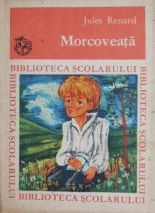
Morcoveata - Jules Renard Anticariat carti copii, elevi, scolari, aventura, povesti, basme
Format: 16/12 cm-
Morcoveata este un roman despre copilarie, simplitate. Este un roman despre acea perioada a copilariei cand fiecare are un mecanism de aparare in fata adultilor atunci cand vine vorba despre rautati.
Romanul Morcoveata este axat pe drama unei copilarii nefericite.
Morcoveata e un copil obisnuit, persecutat pentru parul sau rosu de intreaga familie ( dl si dna Lepic si fratii sai, Felix si Ernestine). Acesta, inteligent fiind, a stiut intotdeauna ca mama sa ii prefera pe fratii sai mai mari. Acest fapt l-a facut sa-si indrepte afectiunea catre tatal sau, singurul caruia i se dastanuia.
Venirea lui Morcoveata pe lume a coincis cu o casnicie pe cale de a se destrama.
Interiorizat, Morcoveata reuseste pana la urma sa aiba ultimul cuvant, spunandu-i tatalui sau ca vrea sa se duca la un internat sau sa se faca ucenic pentru a invata o meserie, numai sa fie departe de mama sa.
Jules Renard (n 1864, Chalons-du-Maine - d. 1910, Paris) a fost nuvelist si dramaturg francez. A urmat cursurile de retorica si fisozofie ale Liceului Charlemange din Paris. Dupa bacalaureat, a rams la Paris unde a inceput sa colaboreze la diverse reviste si sa frecventeze cafenelele din Cartierul Latin, locul de intalnire al boemiei literare pariziene. Tot aici a intalnit-o pe actrita Danielle Davyle, care i-a inspirat personajul Blanche din le Plaisir de rompre.
In 1889, impreuna cu cativa prieteni, a fondat revista literara Mercure de France, in care a publicat povestiri care au aparut in 1890 sub titlul Sourires princes. In aceasta perioada a inceput sa se implice din ce n ce mai mult in viata artistica a capitalei si sa frecventeze spectacole in compania catorva prieteni, printre care Maurice Barres, Andre Gide sau Marcel Schwob. In casa lui Alphones Daudet ia cunoscut pe Auguster Rodin si Edmond de Goncourt. I s-a propus sa faca partedin comitetul de lectura Theatre d'Art.
Din 1890 a publicat in cele mai prestigioase ziare pariziene: Le Figaro, Gil Blas sau L'Echo de Paris, iar in 1894 i-a aparut romanul bibliografic Poil de Carotte, excelent primit de ciritici, a carei versiune tatrala a optinutun succes fenomenal in 1990 Gratie lui Edmond Rostand, a intalnit-o in 1895 pe Sarah Bernhardt. In 1900 a fost ales consilier minicipal al comunei Chaumont si a fost decorat cu Legiunea de Onoare, apoi din 1904 pana in 1910 a fost primarul orasului Chitry-les-Mines. In 1907 a fost ales membru al Academiei Goncourt.
|
|
Preţ: Negociabil în funcţie de câte (şi ce) titluri cereţi.
Dacă sunaţi e foarte posibil să vă dau preţul pe loc sau imediat ce ajung la PC.
Adauga in cos
|
|
Profetul si Gradina profetului - Kahlil Gibran Anticariat carti ezoterism, spiritual
Format: 20/13 cm-
2 titluri in acelasi volum
ilustratii reproduse in alb-negru dupa tablourile autorului
Magnifica si profunda lucrare Profetul a inspirat, inca de la aparitie, generatii intregi de ganditori si i-a ajutat pe multi oameni porniti pe Cale. Numerosi cititori de-a lungul vremii, isi declara deschis admiratia si respectul pentru textul lui Kahlil Gibran, citand din vorbele Profetului si relatand cum lecturarea cartii sale le-a schimbat viata si modul de a gandi.
Este o reusita culegere de principii practice ale artei de a trai, o carte care va ofera raspunsuri simple la intrebari complicate, o carte pentru mintea, inima si sufletul dumneavoastra.
„Profetul” este si va ramane, fara indoiala, o carte de exceptie, editandu-se necontenit in limbile araba, franceza, engleza si inca in peste douazeci de limbi ale Terrei, depasind azi suma de circa un milion si jumatate de exemplare, bucurandu-i cu harurile-i pe nenumaratii cautatori de alese frumuseti.
Cititorii vor avea, asadar, la indemana aceasta biblie moderna in care, deschizand-o, vor avea adevarate revelatii cu privire la relatia dintre noi si Divinitate, vor descoperi taina sublimului, a nazuirii intru puterea iubirii.
Fragment din carte
Cand iubirea va face semn, urmati-i indemnul,
Chiar daca drumurile-i sunt grele si prapastioase,
Si cand aripile-i va cuprind, supuneti-va ei,
Chiar daca sabia-i ascunsa-n penaju-i v-ar putea rani,
iar cand va vorbeste dati-i crezare,
Chiar daca vocea-i ar putea sa va sfarame visurile,
asemenea vantului din miazanoapte care va pustieste gradinile.
Fiindca precum iubirea va incununa, ea trebuie sa va si crucifice.
Precum va face sa cresteti, ea trebuie sa va si reteze uscaciunile.
Precum ea se ridica pana la inaltimea voastra,
alintandu-va ramurile cele mai fragile care freamata in lumina soarelui
Tot la fel va razbate pana in adancul radacinilor voastre,
zdruncinand inclestarea lor cu pamantul.
Asemeni snopilor de grau, ea va secera.
Va treiera pentru a va descoji.
Va vantura pentru a va curata de pleava.
Va macina pana la inalbirea fainii.
Va framanta pana ajungeti foarte supusi,
Ca apoi sa va harazeasca focului sau,
si sa puteti deveni painea sfanta la ospatul divin.
Toate acestea vi le va da iubirea, pentru ca, astfel,
sa va puteti cunoaste tainele inimii,
si astfel sa deveniti o parte din inima Vietii.
Dar daca, stapaniti de teama,
veti cauta doar tihna si placerea dragostei,
Atunci e mai bine sa va acoperiti goliciunea
si sa iesiti din treierisul iubirii,
Spre a va intoarce in lumea fara de anotimpuri,
unde veti rade dar nu cu intreaga voastra bucurie
si unde veti plange dar nu in toate lacrimile voastre.
Iubirea nu se daruie decat pe sine si nu ia decat de la sine.
Iubirea nu stapaneste si nu vrea sa fie stapanita;
Fiindca iubirii ii e de-ajuns iubirea.
|

|
Preţ: Negociabil în funcţie de câte (şi ce) titluri cereţi.
Dacă sunaţi e foarte posibil să vă dau preţul pe loc sau imediat ce ajung la PC.
Adauga in cos
|
|
Gavroche - Cosette - Victor Hugo Anticariat carti copii, elevi, scolari, aventura, povesti, basme
Format: 20/13 cm-
fragmente din Mizerabilii
Victor Hugo (1802-1885) este unul dintre cei mai importanti scriitori francezi. Poet, dramaturg, prozator, reprezentant de seama al romantismului, dar si un intelectual angajat, el a jucat un rol important in istoria secolului al XIX-lea. A fost pair al Frantei, senator de Paris si membru al Academiei Franceze, fiind considerat inca in timpul vietii un adevarat monument al literaturii franceze.
A scris, intre altele, poemul epic Legenda secolelor (1859, 1877, 1883), romanele Notre-Dame de Paris (1831) si Mizerabilii (1862), care s-au bucurat de mare succes, dar si dramele romantice Hernani (1830), Regele se amuza (1832) sau Ruy Blas (1838).
Fragmentele publicate aici sub titlul Cosette, respectiv Gavroche,fac parte dintr-un roman de referinta al literaturii franceze – Mizerabilii. Acest roman istoric, social si filosofic este o fresca plina de viata a societatii franceze de la inceputul secolului al XIX-lea, iar autorul plaseaza in prim-plan existenta oamenilor simpli.
Povestea micutei Cosette, fetita tratata cu o cruzime iesita din comun si salvata in cele din urma de la o viata plina de privatiuni, ca si povestea lui Gavroche, al carui nume a devenit sinonim cu strengarul parizian cu inima mare si un curaj rar intalnit, impresioneaza si astazi.
|

|
Preţ: Negociabil în funcţie de câte (şi ce) titluri cereţi.
Dacă sunaţi e foarte posibil să vă dau preţul pe loc sau imediat ce ajung la PC.
Adauga in cos
|
|
Urciorul de aur - E. T. A. Hoffmann Anticariat carti copii, elevi, scolari, aventura, povesti, basme
Format: 21/14,5 cm-
cartonat
Urciorul de aur, narațiune fantastică, aparține ciclului “Fantezii în maniera lui Callot” și cuprinde iubirea studentului Anselmus pentru frumoasa Serpentina. Numeroasele situații fantastice, încercări prin care trece eroul, amintesc de basmele din literatura noastră. Narațiunea aduce în prim-plan unul dintre conflictele clasice ale romantismului: cel dintre realitatea restrictivă și mediocră și imaginația poetică, înzestrată cu o nelimitată capacitate creativă. Anselmus este un student cu o fire poetică și visătoare, dar și cu un ghinion ieșit din comun, ce-l împinge spre visare, spre izolarea de lumea reală. Neîndemanarea sa în societatea Dresdei provine din capacitatea sa de a percepe lumea populată de ființe magice, cum ar fi arhivarul Lindhorst și fiica sa, șerpoaica verde Serpentina. Anselmus intuiește existența acestei lumi fantastice în urma altercației cu o precupeață, în ziua Înălțării Domnului. Rămas fără banii de buzunar, el se duce pe malul Elbei, de unde aude un clinchet de cristal. Apropiindu-se de șocul din care se auzea sunetul, a zărit trei șerpoaice de aur verde și s-a îndrăgostit de cea cu ochii albaștri. La propunerea directorului Paulmann, Anselmus s-a dus la arhivarul Lindhorst, care l-a angajat să-i copieze manuscrise rare. Veronica, fiica lui Paulmann, fiind îndrăgostită de Anselmus, a apelat la o vrăjitoare pentru a o ajuta să dobândească dragostea acestuia. Vrăjitoarea era doica din copilărie a fetei, vrăjmașa lui Lindhorst, dar și precupeața cu care Anselmus s-a certat în piață în ziua Înălțării. Cele două s-au dus într-o noapte la o răscruce de drumuri și, rostind un descântec malefic, au creat o oglindă cu ajutorul căreia fata îl putea face pe alesul inimii sale să se gândească la ea. Anselmus traducea textele într-o cameră, după ce arhivarul îi prezentase casa în întregime și după ce zărise într-o încăpere albastră un urcior de aur. Studentul nu trebuia să greșească în copierea manuscriselor și să nu scape, sub nici o formă, vreo picătură de cerneală pe originale. Când a primit manuscrisul intitulat „Despre căsătoria salamandrei cu șerpoaica verde”, Serpentina, cea cu ochi albaștri, i s-a înfățișat și i-a povestit despre ce era vorba. Salamandra era Lindhorst iar șerpoaica verde era mama ei și a celor două surori ale sale, asupra cărora fusese rostită o vrajă. Fiecare dintre ele trebuia să vrăjească pe cineva astfel încât să se îndrăgostească de ele și fiecare avea câte un urcior. Serpentina îl avea pe cel de aur. Deși părea să fie îndrăgostit de șerpoaica de aur verde, studentului i-a tresăltat inima la vederea Veronicăi și toate lucrurile care, mai înainte, păreau minunate în casa arhivarului, acum îi păreau fade. Anselmus a sfârșit copierea manuscrisului, iar Lindhorst i-a dat altul, însă pe acesta, studentul a picurat cerneala din greșeală și a sfârșit închis într-o sticlă, pe un raft, unde a descoperit că nu era singur, ci erau lângă el mai mulți studenți închiși din același motiv. Dintr-un ceainic a apărut, dintr-o dată, vrăjitoarea, care a râs de nenorocirea lui; însă, după o luptă crâncenă cu Lindhorst, acum sub identitatea Salamandrei, vrăjitoarea a fost ucisă iar Anselmus a sărit din sticla ce-l ținea captiv direct în brațele Serpentinei. Deși Veronica era atrasă de student, ea a acceptat cererea în căsătorie a noului consilier aulic, domnul Heerbrand și le-a povestit, atât lui, cât și lui Paulmann, tatăl său, tot adevărul despre Lindhorst, vrăjitoare și oglinda fermecată. Ca proaspăt ginere al arhivarului, Anselmus s-a mutat, împreună cu Serpentina, la moșia acestora din Atlantida – simbolul perfect al universului romantic: o lume imaginară, dar înzestrată cu o existență obiectivă.
|

|
Preţ: Negociabil în funcţie de câte (şi ce) titluri cereţi.
Dacă sunaţi e foarte posibil să vă dau preţul pe loc sau imediat ce ajung la PC.
Adauga in cos
|
|
Cartile copilariei - Elena Iorgu Anticariat carti copii, elevi, scolari, aventura, povesti, basme, poezii
Format: 20/13 cm-
pentru clasa a IV-a
cuprins
- Vasile Alecsandri
Penes Curcanul
Vasile Porojan
- Dumitru Almas
Povestea despre intemeierea Bucurestiului
Povestea preafrumoasei Dochia
Cum l-a infrant Traian pe Decebal
Decebal, eroul dacilor
- Dimitrie Bolintineanu
Mircea cel Mare si solii
- Eusebiu Camilar
Stejarul din Borzesti
- Mircea Cartarescu
Povestea micutei poete Vasiliska
- George Cosbus
Cantec
O scrisoare de la Muselim-Selo
- Ion Creanga
Amintiri din copilarie [I, II, III]
Mos Ion Roata si Cuza Voda
Mos Ion Roata si Unirea
- Alphonse Daudet
Taina lui Mos Cornila
- M. Eminescu
Revedere
Ce te legeni
La mijloc de codru
Pvestea Codrului
- Fabule
- Grigore Alexandrescu
Cainele si catelul
- Alexandru Donici
Racul, broasca si stiuca
Musca la arat
- La Fontaine
Corbul si vulpea
Greierele si furnica
- C. Rosetti
0 si 1
- Victor Hugo
Mizerabilii
- Petre Ispirescu
Negutatorul florentin
- Al. Mitru
Legendele Olimpului
- Marin Preda
Morometii
- Petru Demetru Popescu
Cu tara in inima
- M. Sadoveanu
Dumbrava minunata
La Mestecanei
Un om necajit
Domnu Trandafir
- Alexandru Vlahuta
Pe Marea Neagra
- Vasile Voiculescu
Ciobanila
|

|
Preţ: Negociabil în funcţie de câte (şi ce) titluri cereţi.
Dacă sunaţi e foarte posibil să vă dau preţul pe loc sau imediat ce ajung la PC.
Adauga in cos
|
|
A fost o data ca niciodata - antologie Anticariat carti copii, elevi, scolari, aventura, povesti, basme
Format: 24/17 cm-
2 volume [vol 1 rosu si vol 2 albastru], antologie de literatura populara
vol 1 contine:
Sperla Voinicul
Cerbul de aur
Insir-te margarite cu dalbe flori aurite
Tei-Leganat
Voinic de Plumb
Tinerete fara batranete si viata fara de moarte
Fata unchesului cea fara noroc
Tristi-Copil si Inia Dinia
Calin Nebunul
Fat-Frumos
Omul de piatra
Uitatul
Roman Nazdravan
Ion Buzdugan
Campan Verde si Frumos
Doftorul Toderas
Un ochi plange, unul rade
Ileana Samziana
Stan Bolovan
Povesta lui Pahon
Fat-Frumos cu parul de aur
vol 2 contine:
Cei trei feciori ai babei
Fata unchiasului
Tugulea, fiul unchiasului si al matusei
Tuliman
Pescarus Imparatul
Ileana Cosanzeana
Spaima zmeilor
Cei trei frati si zmeul
Ciobanul si fata de imparat
Praslea cel voinic si merele de aur
Petru Cenusa
Sur-Vultur
Margicuta de sub limba
Azima mergatoare
Zana apelor
Bujor-Aflat
Trifon habaucul
|

|
Preţ: Negociabil în funcţie de câte (şi ce) titluri cereţi.
Dacă sunaţi e foarte posibil să vă dau preţul pe loc sau imediat ce ajung la PC.
Adauga in cos
|
|
|
© 2026 Anticariat Librarie, Ploiesti. Toate drepturile rezervate.
|
|
|
|
|